

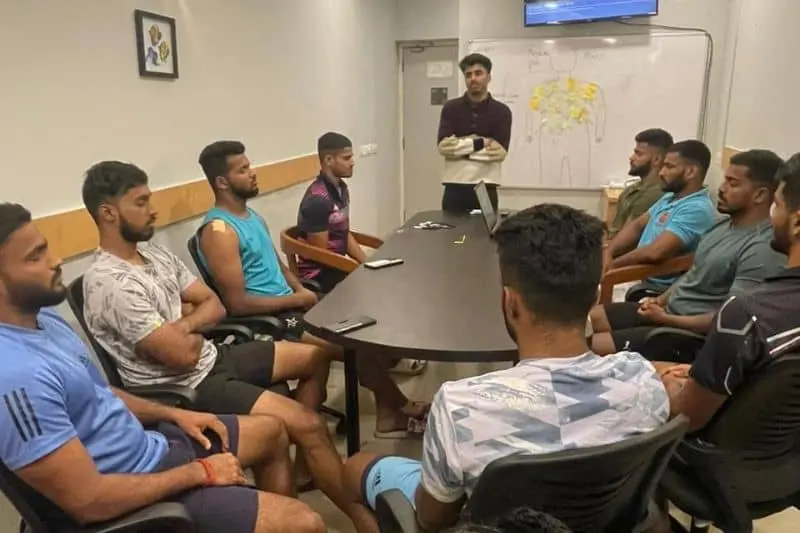
If you watch Kabaddi even casually, it hits you pretty quickly that the game isn’t really about one “hero” doing everything alone. It’s more like a group trying to read the same moment at the same time. And honestly, communication in Kabaddi looks nothing like the kind of communication people imagine in team sports. It’s tiny stuff. A glance that lasts half a second.
Someone is breathing differently. One player is stepping in a bit earlier than expected. Strength matters, of course, but these soft signals do more work than muscles. In friendly group work, it often plays out the same way: you notice small hints from teammates before anyone actually explains what’s going on, and that’s what keeps things moving.
There’s also this thing where players switch roles without stopping the whole flow. A defender suddenly takes charge because the timing feels right, or someone who wasn’t involved a moment ago jumps in simply because nobody else reacted quickly enough. It’s messy but functional.
A Few Team Behaviors in Kabaddi That Surprisingly Fit Colleagues Group Work
When you look at Kabaddi a bit longer – again, not even the whole match, just enough to get the feel of it – you start noticing how the defenders almost “breathe” together. Their formation isn’t perfectly straight or perfectly spaced; it shifts in these uneven little waves. One person moves slightly too early, someone else adjusts, and somehow that creates trust, the kind that doesn’t come from speeches but from seeing your teammates react with you. In a group project, this kind of trust appears the same way: slowly, from tiny moments where people show they’re paying attention.
You can even see this idea more clearly when apps break down Kabaddi visually. For example, tools like the pro kabaddi betting app show roles, positions, and match flow in ways that make the structure easier to notice. The raider goes forward, but he isn’t doing it alone. There’s this quiet understanding that the others will cover, or step in, or correct a mistake before it becomes a problem. It feels a lot like shared responsibility – not the type where you divide tasks on paper, but the kind where everyone sort of watches out for each other because the situation can change in a second.
What Kabaddi Can Quietly Teach About Doing Projects Together
When people talk about teamwork, they usually imagine long discussions or planning everything step by step. But Kabaddi shows something a bit different. The coordination there feels more like a rhythm people fall into without noticing. One player moves a little sooner than expected, someone else slows down, and the whole group sort of adjusts itself. In work projects, it ends up working the same way – not perfectly planned, just people reacting to each other as things happen.
- Roles that aren’t too strict. Everyone has a rough idea of their job, but they’re not trapped in it, which keeps things from getting confusing.
- Tiny actions that save bigger messes. A defender reacting a second early can protect the whole line; in a project, one short message can prevent a week of people working on the wrong thing.
- Showing up because the team needs you. Not out of pressure, but because it’s obvious that things stop moving if someone disappears. It feels more like responsibility and less like punishment.
Handling Messy Moments: Kabaddi Seems to Have a Few Useful Ideas
When you watch Kabaddi long enough, you start noticing not just the teamwork but the messy parts – the moments when something goes wrong, or the pace shifts too fast, or two players clearly weren’t expecting the same thing to happen. And oddly, those messy moments are the ones that show how players handle pressure. They don’t freeze; they adjust, even if the adjustment isn’t perfect. There’s something very “human” about that kind of reaction.
Bringing a Bit of Kabaddi Logic Into the Classroom
One simple thing is rotating roles. In Kabaddi, nobody stays in one fixed position all the time. Players switch without making it dramatic, and that keeps the whole team flexible. In work projects, letting people try different tasks – even briefly – helps everyone understand the work better and not feel “stuck” with one responsibility they never chose.
Another useful habit is reviewing what happened after the task is done. Kabaddi teams often look back at a round, not to blame anyone but to notice what worked and what didn’t.
