

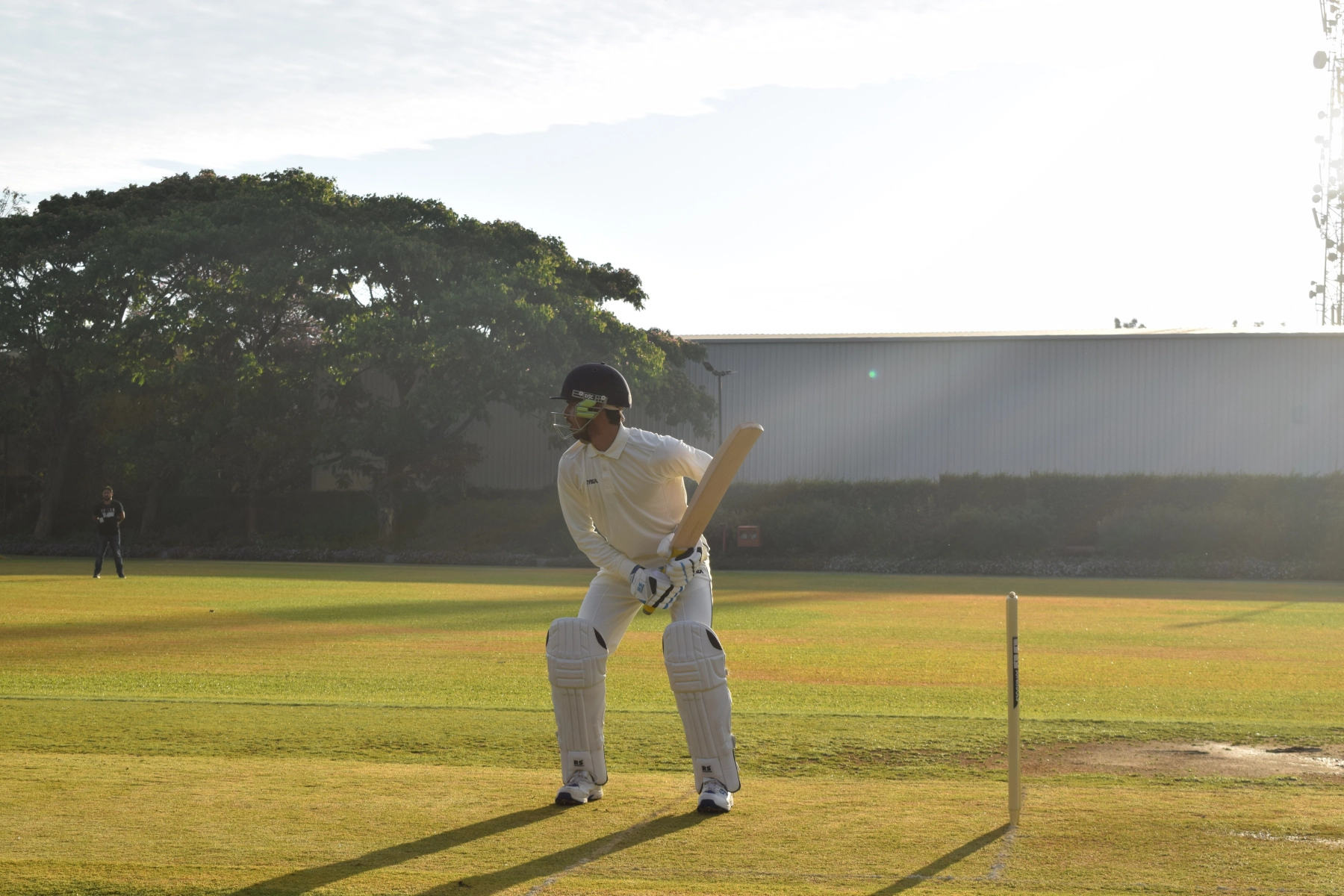
Evening prep can share space with a live match when the phone behaves like a small instrument and the desk follows a repeatable rhythm. The sweet spot is clear – readable numbers at arm’s length, study blocks that map to overs, and a tidy wrap that finishes on one view. With a few steady habits, notes stay sharp, the scoreboard adds context, and tomorrow’s plan remains intact.
Set a Semester-Friendly Live Panel
Legibility drives everything in a mixed study–match setup. A dark theme with firm contrast keeps thin numerals crisp under warm desk lamps. Hold brightness steady at a mid-high level, because eyes bounce between a textbook, a laptop, and the phone. Keep the core trio in one sight line – score, balls remaining, and wickets in hand – to cut eye travel when notifications arrive. Local time beside fixtures helps late joiners arrive on the same timeline. Reserve a fixed socket for phase flags to stop layout shift. With placements that rarely move, the display reads like an instrument panel instead of a billboard and study attention doesn’t fragment.
A shared vocabulary prevents re-explaining icons when friends drop in or when tabs rotate during group work. Map where phases post, how reviews render, and which pane holds the recap, then mirror those nouns in your notes or task app. For consistent labels and a device-friendly layout, many students confirm terms on a familiar live hub and keep scanning with the desiplay betting app as a reference point. That single alignment makes the next glance feel like continuation rather than a hunt through menus, so the highlighter can keep moving while the board quietly reports state changes.
Rhythm Windows That Fit Study Blocks
Cricket splits time into windows that pair cleanly with study cycles. Early overs work like activation energy – a 20–25 minute read or problem set while focusing on movement through the air, seam length, and ring fields that either gift singles or choke them. Middle overs resemble consolidation, where rotation against spin and clusters of dots build pressure in the background while a summary sheet takes form. Death overs mirror a short sprint, because block hole depth, slower-ball disguise, and rope protection decide outcomes in seconds. Two or three cues per window are enough, and they match the cadence of a Pomodoro without turning the phone into the loudest object on the desk.
Metrics That Teach Without Noise
Numbers should carry meaning at a glance, not demand another chart. Phones and study notes both reward compact signals that land in one breath. Begin with a short paragraph on the page, then keep a tiny set of cues beside the score, so the brain sees cause and effect without rereading panels. That economy preserves working memory for the chapter at hand while leaving room for match context that actually informs.
Two numbers that travel
- Boundary interval. Track balls between fours or sixes to understand whether gaps are being pierced or the ring is dictating contact quality. When the interval stretches across an over, the field has cooled scoring and a tough section of homework can continue without fear of missing a turning point. Pair the note with field spread, so interpretations don’t drift.
- Dot-pressure share. Note clusters of dot balls inside a single matchup. When three or more stacks on one side, rotation is stalling and momentum tilts toward the bowler. In study terms, this is a cue to finish a paragraph or solve one more problem, because the over is educative rather than explosive.
- Required rate with resources in hand. The number only tells the truth beside wickets in hand. Late windows with fewer resources shrink tolerance for risk, so the plan shifts to short, high-value tasks rather than sprawling ones that invite errors.
Device and Workspace Hygiene for Long Evenings
A quiet desk amplifies all of the above. Park the phone slightly off axis to avoid reflections across glossy pages. Use a stand at forearm length to relax shoulders and thumbs. Mute rich link previews in group chats, badges on, because stacked cards bury useful updates on older phones. Set a three-event alert lane – over start, innings break, result posted – with medium haptics. Motion density deserves restraint on low-RAM devices, since heavy transitions smear thin digits and force second looks. Keep a microfiber cloth near the keyboard, and bias warm light during the last session, so sleep pressure isn’t delayed. With simple ergonomics in place, the surface stops asking for management and attention returns to work.
Close the Loop Like a Lab Report
Endings protect grades and sleep equally. Stop on posted checkpoints – an innings break, a reached target, or a timer set during setup – instead of drifting through “one more refresh.” Submit any final action inside limits and keep the reference line. Confirm that the recap, ledger, and balance tell the same story on a single screen, because one view prevents late troubleshooting. On paper or in a notes’ app, log a single context line that teaches tomorrow – boundary interval stretched after long-on dropped deeper in the 18th, or a dot cluster that throttled rotation across a left-hand match-up.
